
Food inflation could surge amid Middle East conflict
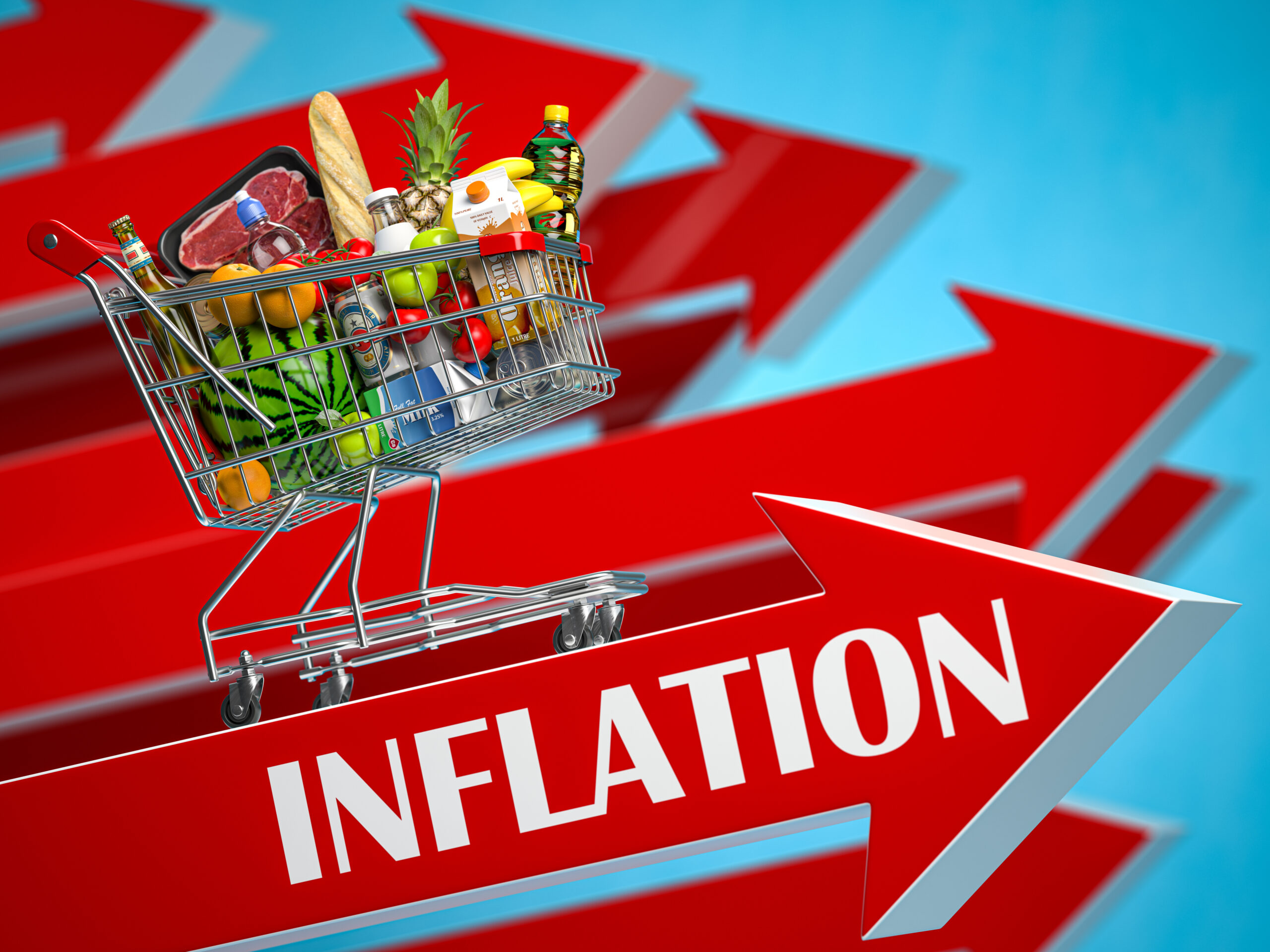
Food inflation could reach over 8% by June if disruption to global energy markets persists, it has been revealed.
In a stark warning for the industry, the Institute of Grocery Distribution (IGD) has said in the most severe but short-lived energy shock scenario, food inflation could more than double the current rate of 3.6% and rise to over 8% by the summer.
With UK retail food prices now around 38% higher than pre-covid levels, households are far more exposed to further price spikes.
In its updated inflation forecasts for the UK food and drink sector, IGD said that under this high-impact scenario, the sharp rises would be short-lived but severe, with average food inflation of around 6.4% across 2026, adding over £150 to the average household’s annual grocery bills, intensifying the pressure on family budgets which are already stretched by elevated housing, energy and essential living costs.
Even in IGD’s baseline scenario mapping which assumes no Middle East conflict, retail food inflation is forecast to average 3.8% in 2026, implying that UK shoppers collectively would still need to find close to £10 billion more to buy the same basket of food.
The new forecasts take into account the ongoing conflict in the Middle East, a key energy-producing region. The disruption is expected to impact food production directly, due to the energy-intensive nature of the supply chain, where oil and gas play critical roles at every stage.
Indeed, there have been warnings also from the Ulster Farmers’ Union, with Deputy President John McLenaghan stating that fertiliser prices have been skyrocketing.
“It’s not just price actually, it’s about availability,” he told BBC News NI. “You just can’t get it, it’s as simple as that.”
With nitrogen-based fertilisers a critical part of farming today, globally food production would be reduced by half without it.
As Chief Economist at IGD, James Walton explained, even in the best-case scenario, the conflict in the Middle East is likely to prolong the timeline for recovery from the cost-of-living crisis.
“Persistently high food prices continue to fuel concern over excess profits, based on the assumption that higher prices must mean higher profits for food businesses,” said James.
“Our Food Pound analysis shows that the evidence points in the opposite direction: margins for basic food and drink remain exceptionally thin, and in many cases have fallen in recent years. When margins are this tight, businesses have limited capacity to absorb global shocks, invest in resilience or protect supply. Over time, that increases the risk of weaker availability and greater price volatility.
“The most sensible route to moderating food inflation is not cost absorption, but improving productivity, resilience and availability. This includes investment in domestic production, supply-chain efficiency and policy approaches that avoid adding unnecessary cost and volatility to the system.”