
FareShare NI – Fighting for food fairness for all
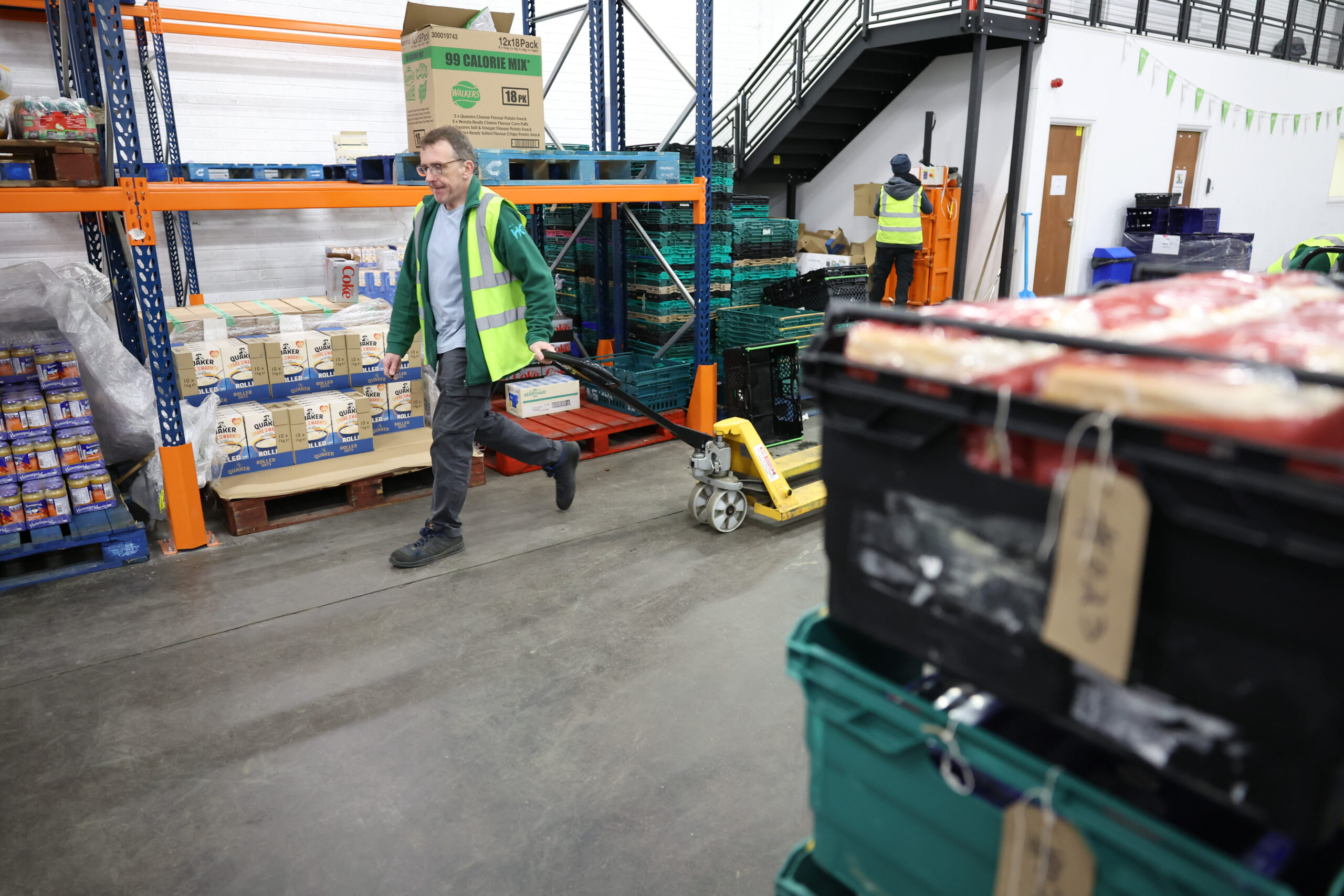
Having distributed over 650 tonnes of food to charity and voluntary sectors across NI last year, FareShare NI remains a critical organisation here, relying on retailers across the region to donate their surplus food, as Head of Operations, Declan McKillop discusses.
Surplus food is a side effect of the grocery industry, particularly as retailers continue to increase their in-store deli counters and food to go offerings, with the larger supermarkets growing this part of their business. Putting this surplus food to good use is the core aim of FareShare NI, who want to get this food to those who need it most.
In the last year, they have welcomed a number of new partnerships with both retailers and manufacturers who are now supporting them with regular, high-quality surplus food donations, including meat, dairy, vegetables, ready meals and long-life ambient staples.
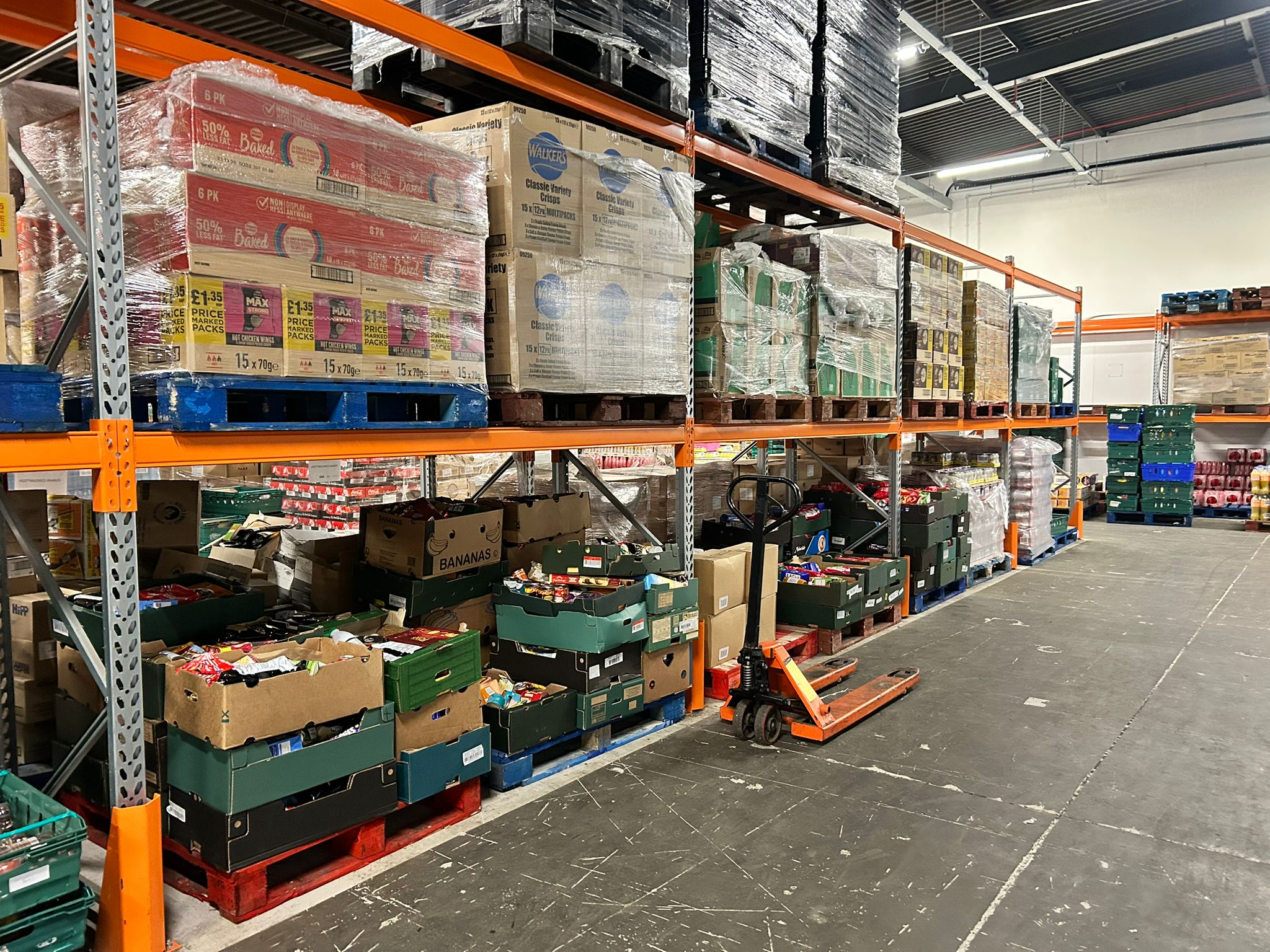
This increased volume of surplus food made available through their partnerships has strengthened the organisation’s ability to support its ever-growing network of Community Food Members, including charities, community groups, and schools across Northern Ireland. In addition to being able to provide additional volumes of food, having access to a wider range of products allows them to improve the overall quality and nutritional value of the food they redistribute.
Over the last 12 months 656 tonnes of food have been distributed, equating to approximately 1.5 million meals delivered across the whole of Northern Ireland. Notably, FareShare NI’s CFM numbers stands at 172, which includes a large number of schools.
Indeed, Declan said this has been one of the significant observations made by FareShare over the last year, as they have noticed an increase in schools themselves applying for membership.
“That is one of the significant finds we have noticed here, be it for after-school clubs, lunch clubs or even for helping to teach about life skills,” said Declan.
“Another unforeseen we have found is that schools are actually sending food home with kids. They have observed the children coming in tired, hungry and not able to concentrate and then suffering academically. They have assessed the need and then invited parents and guardians into the school after hours to get food, in a social supermarket type model.”
Declan was keen to stress that food poverty is not just in the big towns and cities, but also in many of our villages and rural areas throughout Northern Ireland, with FareShare’s fleet of vans covering every village and town in the region, as well as the cities.
“Another area that has been identified is the working poor, who are only just getting by,” added Declan. “They are reluctantly having to access food aid.
“We have seen a large increase here in the last year as well. It’s not limited to the stereotypical groups that you would expect to need access to food.
“When people do come to the realisation that they need help, having the courage to come out and ask for it, it’s brave but it should also be encouraged. These people out working can find themselves struggling from time to time and even if it’s going to a food bank, it may only be short-term, but it may also give them the breathing space they need to get themselves back up financially. They will never be turned away.”
Over the last year or so, FareShare NI’s donor partners have grown substantially, with this increase enabling them to provide a greater variety of foods to their charity partners. While they have larger retailers as donor partners, Declan said they also really appreciate the support from more local, regional retailers and manufacturers.
“Because of Brexit we have had a lot of difficulty in getting ambient food,” said Declan. “We would have received quite a lot of donations from GB, but because of Brexit, we have suffered in this department.
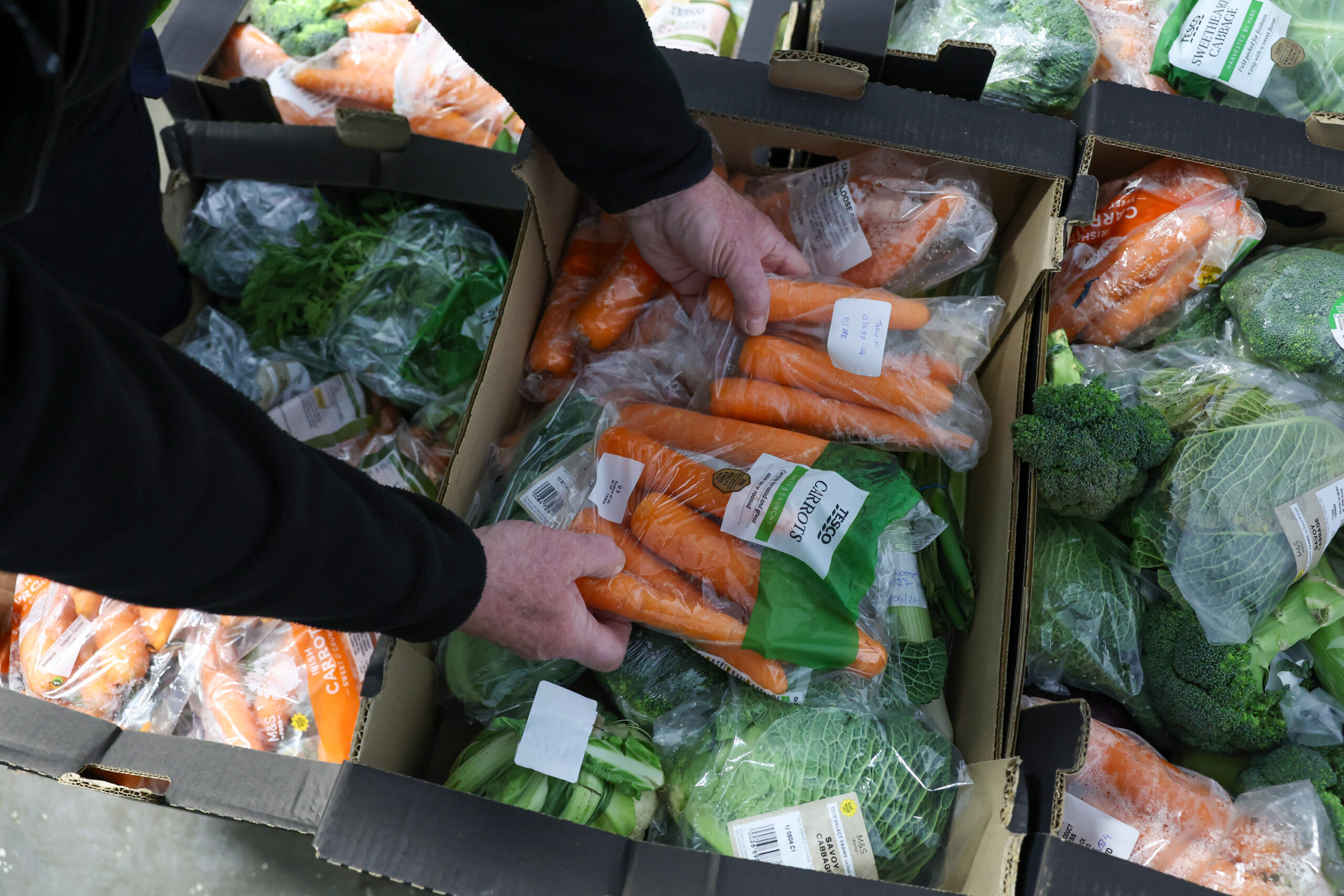
“Our main challenges have been receiving enough donations of ambient food to distribute, this is why our Winter campaigns like the Tesco Food Collection and Stuff a Bus are so vital.
“We are now sourcing more chilled and frozen products produced locally, to make up for the shortfall on the ambient side. It would be amazing to have more local ambient manufacturers and distributors, to counterbalance the lack of ambient food coming over from GB.
“We have got amazing partners, retailers, manufacturers and growers throughout NI, but the need is growing and we need to balance that up with partners that have products we do not have now, and which would help give us a constant supply.
“Donations do not have to be every day or every week, but when they do have surplus, they can contact us and we can redistribute it to people who need it.”
With inflation driving up the cost of the everyday shop, Declan said families are finding themselves purchasing less food for the same amount of money, making it increasingly difficult to have enough food to feed a family without compromising on nutrition and quality. “As demand for food support and our service continues to rise, both new and our existing partnerships are vital,” he added.
“For retailers and manufacturers, working with FareShare provides a reliable and compliant route for surplus food that may otherwise be at risk of going to landfill, while also helping to feed people who need it most. We’re incredibly grateful to our partners for their continued support and could not do the work we do without them.”