
Additional cost pressure warning for independent retailers with DRS
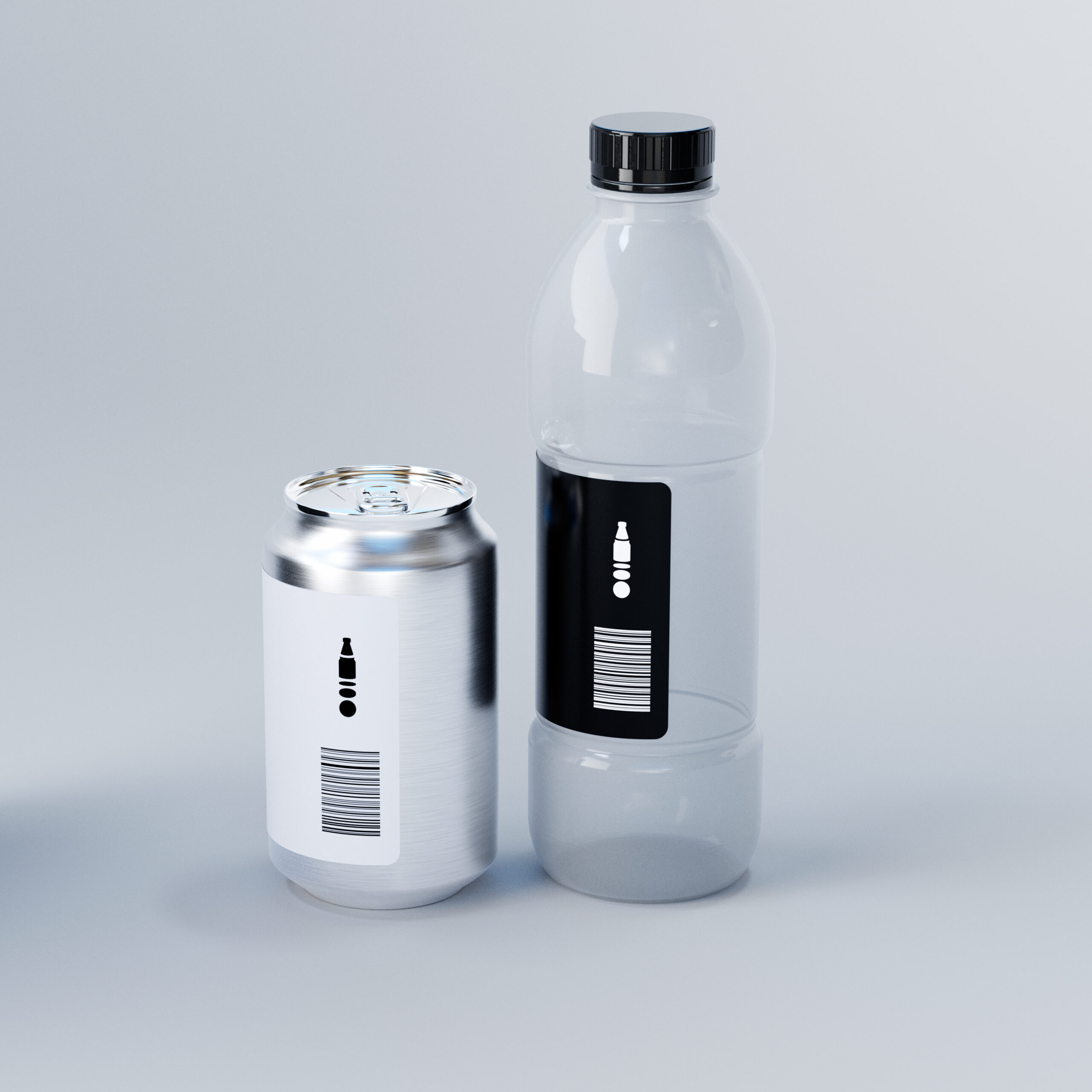
There have been some warnings issued for the convenience sector ahead of the introduction of the Deposit Return Scheme (DRS) across the UK.
The warnings, which come from specialist convenience insight agency, Talysis, state that the independent convenience sector will be hit with additional cost pressures, at an already challenging time.
Earlier this month, Exchange For Change, the industry-led organisation delivering the scheme across Northern Ireland, England and Scotland, announced a package of targeted support for retailers.
The DRS regulations allow for retailers in urban areas with a retail footprint of less than 100m² to be automatically exempted from operating a return point for DRS items. However, Exchange For Change has agreed an extension of the exemption criteria with regulators in all three nations, allowing for retailers with a sales area of between 100m² and 199m² in urban settings and rural retailers with less than 200m² of sales area to apply for a size-based exemption.
Further exemption allowances have also been agreed on the basis of proximity, heritage or listed building restrictions, site access or lack of access to utilities.
In addition, Exchange For Change is making available £60m in grant funding to help up to 10,000 small, independent retailers meet the cost of installing Reverse Vending Machines (RVMs) across England, Northern Ireland and Scotland.
Grants of £6000 will be made available per site to qualifying small, independent retailers in three annual payments of £2000, which will be funded three months after the installation of a Reverse Vending Machine (RVM).
Meanwhile, in consensus with recent comments by the Association of Convenience Stores (ACS), Clarity by Talysis data has indicated that stores face a near 30-year break-even term if they achieve a 90% return rate and install a Reverse Vending machine.
REVERSE VENDING MACHINES
The figures are based on a conservative minimum operating cost and average sales of applicable SKUs across the UK’s independent convenience sector. Even at a 100% return rate, the recently announced 5p per container return handling fee results in a payback term of 15 years. For context, one year on from the launch of DRS in Ireland, stores were achieving an 88% return rate, versus a five-year target of 90%.
While the government grants of £6,000 per store will be available for smaller stores, to assist with the cost of installing an RVM, Talysis reports this funding is limited to 10,000 stores and stores would still face a 9-year break-even term based on 100% return rate and 18 years at 90% returns.
Whilst stores have an option of purchasing/leasing an RVM if their sales justify the outlay, the alternative is for manual handling of returns. The reduced handling fee of 3p per container is required to cover increased staffing, hygiene and storage costs, raising questions over whether even this option leaves retailers in a cost-neutral position.
Ed Roberts, MD of Talysis Ltd said: “I’m sure all parts of the supply chain would like to participate in the scheme and do their bit to help the environment. Plus, it could prove to be an essential footfall-driver for local stores and help deliver a circular economy.
“Whilst it seems that the UK is keen to encourage the use of RVMs rather than manual returns, as the handling fees are the opposite way round and at a higher level to Ireland, this support still doesn’t go far enough towards the costs involved.
“Retailers who opt for a reverse vending machine to minimise staff involvement, hygiene concerns and storage issues face an almost impossible break-even situation. Meanwhile, those who choose to do manual returns will be affected by those aspects, which may in turn put them into a loss-making position.
RETURN HANDLING FEE
“For a sector that’s already dealing with multiple challenges, it appears that the DRS might be a bridge too far for many retailers. It’s quite possible that unless the Return Handling Fee is increased, especially for smaller stores, a high proportion of retailers may simply apply for exemption from the scheme.”
The package of support for retailers follows the announcement of the Return Handling Fee (RHF), which has been structured into tiers to take account of the diversity in the UK’s retail landscape: manual return points – 3p per container; automatic return points: Tier 1 – 5p per container, up to 225,000 in-scope items returned annually; Tier 2 – 1.3p per container, for annual in-scope returns in excess of 225,000.
Russell Davies, Exchange For Change CEO said: “Retailers will play a fundamental role in transforming how we increase recycling and reduce litter in every corner of the UK through the Deposit Return Scheme.
“This package of support has been developed following extensive consultation with industry and intended to help retailers of different sizes make the best choice for their business, whether that’s installing an RVM or applying for an exemption.
“Together with the Return Handling Fee, the extension to exemptions and the provision of grants for small, independent retailers is another significant milestone in our work to deliver a scheme that is fair for business and accessible and easy to use for all consumers.”