
Cautious welcome for draft UK-EU deal on food exports
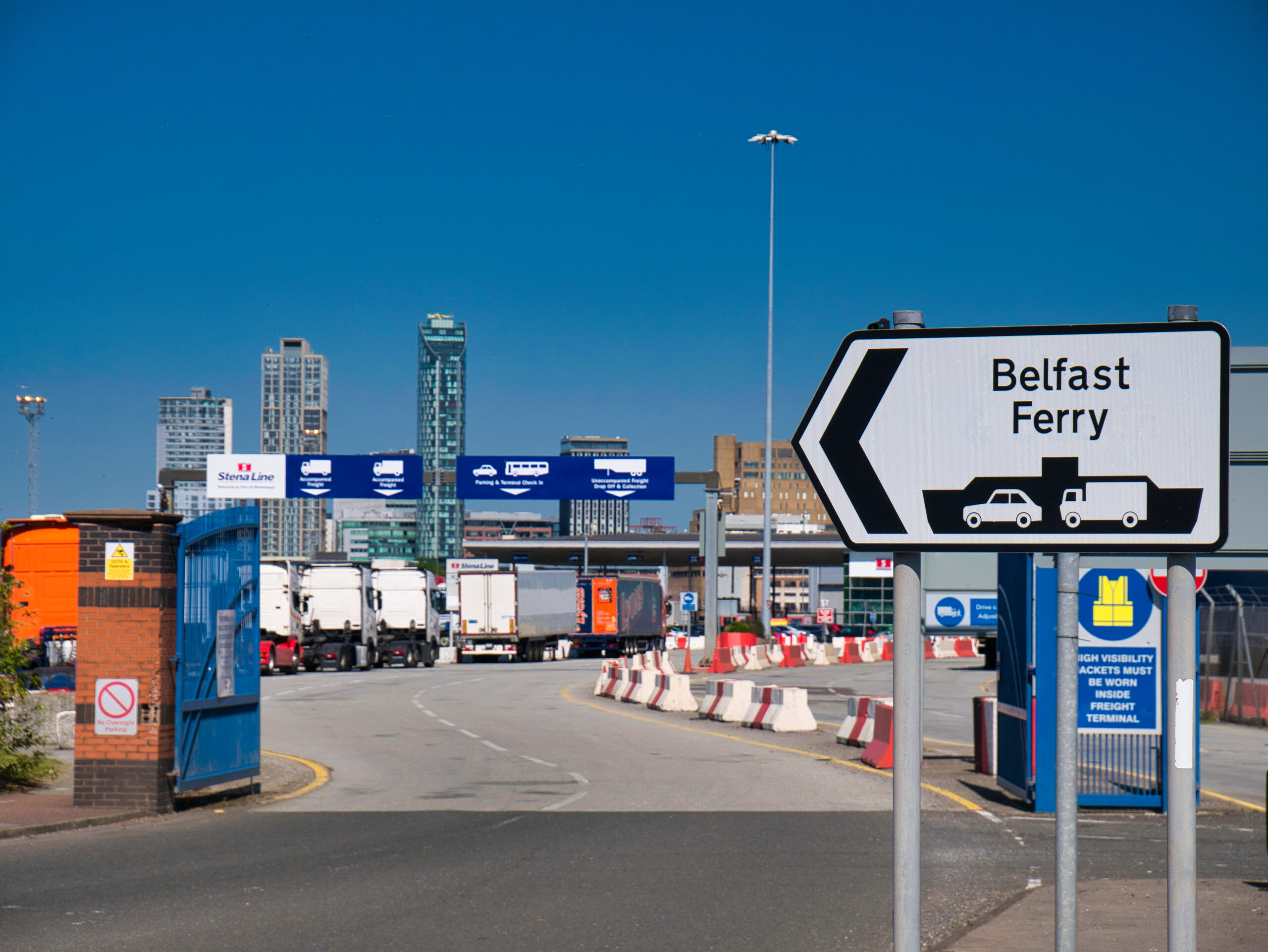
A draft deal on removing post-Brexit checks on food and agriculture exports, has been cautiously welcomed.
It is understood that a draft text spanning some 200 pages for the sanitary and phytosanitary (SPS) agreement has been sent to EU nations in Brussels to consider, according to the BBC.
SPS measures are protections established to safeguard human, animal and plant health around the world and affect trade in various agricultural commodities, including live animals, animal-derived food and plant-based products.
The nature of SPS controls calls for diligent collaboration between importers and suppliers in order to guarantee compliance and mitigate supply chain disruption.
A range of adjustments to these SPS controls for goods imported from the EU into the UK came in 2024, with more last year and Phase 3 labelling now requires many food and retail goods to be individually labelled ‘Not for EU’, including foods which use meat or dairy products as a component, such as pizza or lasagne.
Foods such as pre-packed and sealed fruit and vegetables, including apples, oranges and blueberries; green beans and other packaged vegetables and herbs, including those in bags, all need individual labels in Phase 3.
The BBC has reported the deal could see the resumption of exports to the EU of fresh sausages, burgers and shellfish from domestic waters; it would remove inspector fees, organic certificates, some port fees amongst other checks for exports and imports to the EU; and it would also end the requirement of £25 phytosanitary certificates showing plants or plant products are free from diseases and pests.
Any deal will have a significant impact on Northern Ireland, where its Brexit deal meant it remained inside the EU’s single market for goods, requiring food products from elsewhere in the UK to complete paperwork and physical checks when coming into the region’s ports.
Head of FSB NI, Roger Pollen told NR: “Anything that reduces trade friction between Great Britain and Europe should also ease the challenges of getting products into Northern Ireland.
“This draft deal is welcome in principle, but we look forward to seeing the details and understanding how it will impact businesses on the ground,” he added.
Meanwhile, Director of Northern Ireland Retail Consortium, Neil Johnston said that the retail industry is hopeful that a deal can be concluded by the UK-EU Summit planned for 20th November.
“The retail sector, alongside our agri-food and logistics partners, have worked tirelessly behind the scenes to comply with the SPS requirements of the Windsor Framework,” said Neil Johnston.
“They have been a considerable burden to all involved, but due to that hard work consumers have to date not noticed much difference on the shelves.
“The current arrangements have been all pain and no gain for the retail sector. We have paddled furiously below the surface to protect the UK internal market and to respect and protect the EU Single Market. All the hard work the retail industry has put in, largely unseen, needs to be rewarded by removing these barriers to trade as rapidly as possible.”