
Retailers central to our ability to support people facing hardship
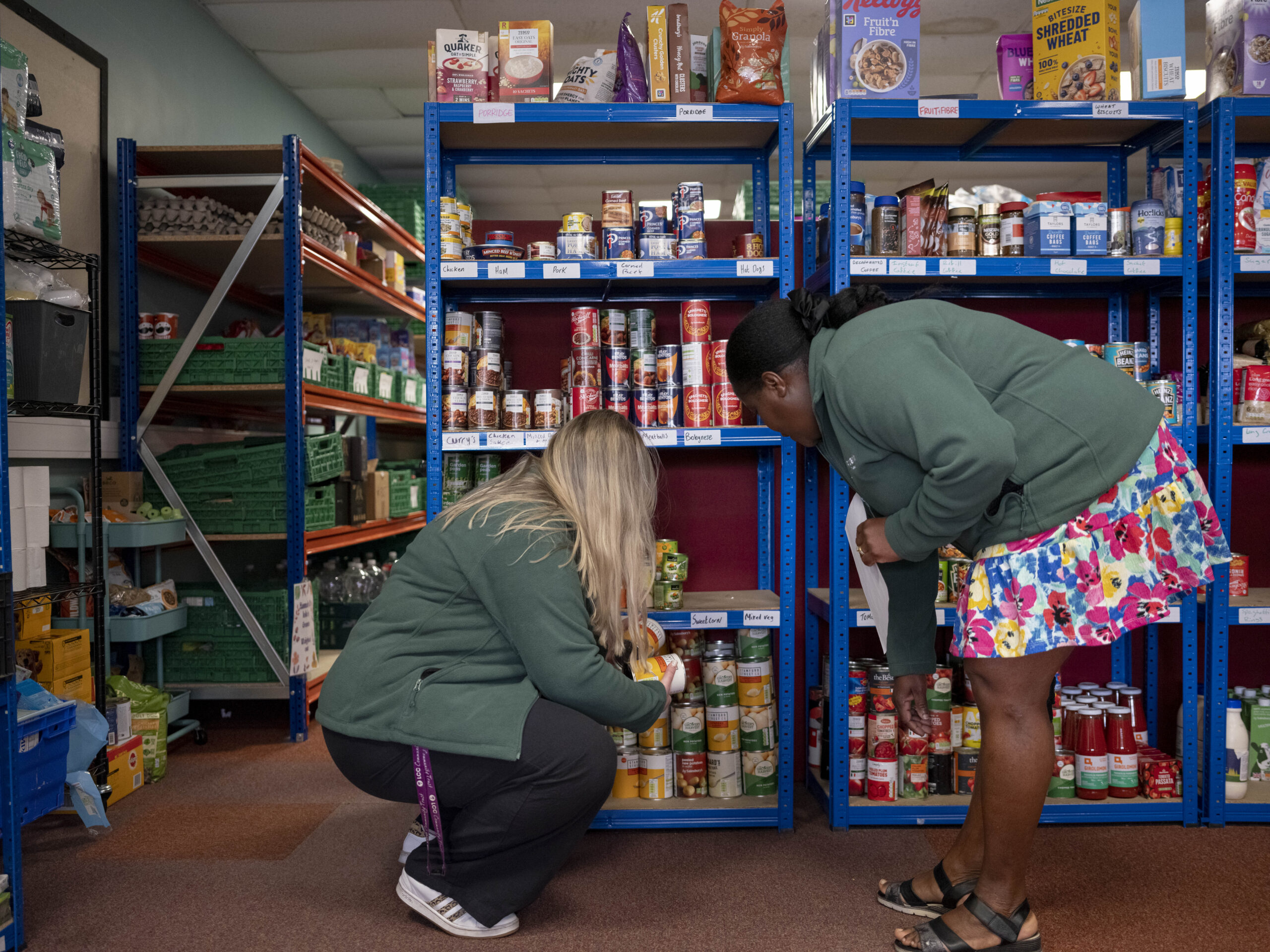
With one in five households in Northern Ireland experiencing food insecurity, retailers here have an important role in the journey to end food poverty, as Carla Smyth, Network Lead at Trussell NI tells NR.
In 2024, there was an estimated 520,000 people across Northern Ireland, including 130,000 children who were living in food-insecure households, an increase from 370,000 in 2022.
Today, one in five Northern Irish households (21%) are experiencing food insecurity, an increase of five percentage points in just two years. Crucially, six in 10 people who faced food insecurity last year did not turn to any form of charitable food support at all – a reminder that food bank statistics capture only a part of a much wider and often hidden crisis.

Carla Smyth, Trussell NI Network Lead has spent many years working to tackle inequality and support people facing hardship. As she took up the role earlier this year, her focus has partly centred on the importance of creating systems that genuinely support people to thrive.
“While inflation has eased slightly over the past two years, this has not translated into a reduction in the need for charitable food support,” said Carla.
“Families across Northern Ireland continue to struggle with the combined pressures of high food prices, housing costs and the cost of everyday essentials.
“The number of food parcels distributed by the Trussell food bank community decreased slightly in 2025, largely due to easing inflation which reflected a slowdown in the rising cost of essentials – alongside fewer people losing their jobs.”
Carla said it was not simply a case of inflation alone solving the scale of severe hardship.
“We’re now seeing the high cost of living being baked in, with many people still unable to keep up with the cost of essentials and pushed to the brink,” added Carla.
“At the same time, levels of need continue to outpace donations. Many food banks say they are at breaking points and are having to purchase significant amounts of food just to keep shelves stocked.”
Anti-poverty charity, Trussell is a community of food banks working towards a future where no-one needs a food bank to survive. Alongside providing emergency food, its food bank community supports people with practical help and advice when they are left without enough money for the essentials.
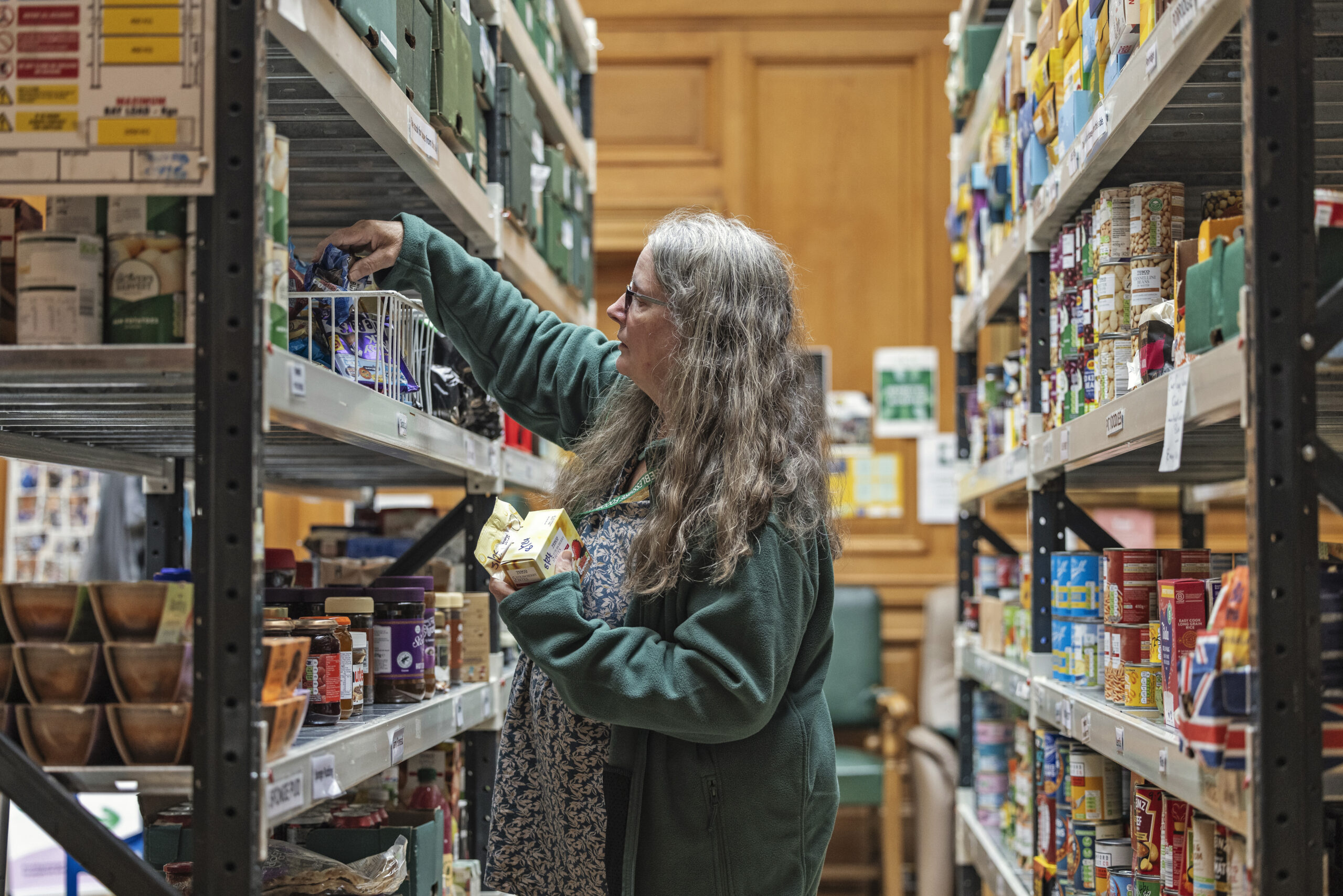
The first Trussell food bank opened in Northern Ireland in 2011, 15 years on the network has grown significantly. In 2026, there are 22 Trussell food banks operating across almost 50 locations, working alongside many independent food banks.
As Carla outlined, hunger in Northern Ireland, as elsewhere, is not a food problem but an income one.
“Last year, food banks in the Trussell community across Northern Ireland provided 68,000 emergency food parcels. While this marked a decrease on the previous year, demand remains far higher than before the pandemic, with distribution in 2025 still 60% higher than in 2019,” said Carla.
“This isn’t right. No-one should have to turn to a food bank to get by.”
Carla said their relationship with retailers here is critical, stressing they play a vital role in the charity’s work across the region, while retailers – particularly independents – have a unique role as anchors within their local communities.
“The support we receive – whether through hosting in-store food collection points, allowing store collections, donating surplus stock, or encouraging staff volunteering – makes a really big difference to our food banks,” said Carla.
“Last year, 58% of all food bank stock came from public donations via supermarkets, underlining just how central retailers are to our ability to support people facing hardship.
“Despite this generosity, 2025 saw a significant drop in food donations. As a result, many food banks have been forced to purchase more stock, using already stretched and limited funds to ensure everyone who needs a food parcel receives ones. This highlights why strengthening and expanding relationships with retailers remains so important. We are always keen to work with retailers who feel able to support their local food bank in any way, big or small.