

Impact of higher US tariffs on NI outlined
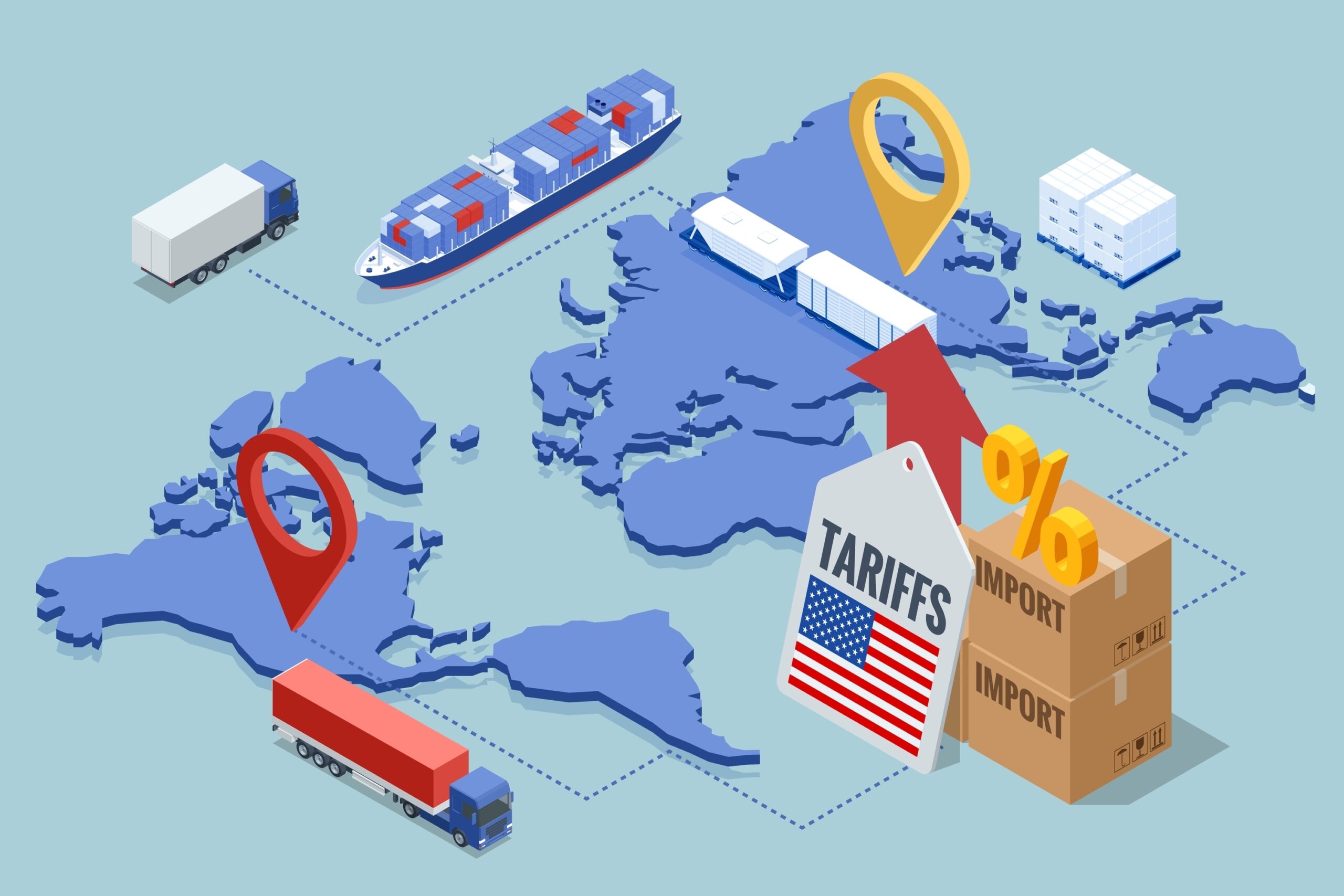
Higher US tariffs would reduce trade volumes, increase inflation in the short term and lower economic output and consumption over time, it has been reported.
And while Northern Ireland’s unique dual-market access under the Windsor Framework may provide some resilience and opportunities arising from shifts in global trade patterns, these benefits are unlikely to outweigh the wider economic costs of increased trade barriers.
Economy Minister, Dr Caoimhe Archibald described the new tariffs as an “unwelcome development for the global economy” adding they created “uncertainty for businesses, investors and consumers across international markets”.
Two new independent research papers have been published which examine the impact of recent changes in US trade policy on Northern Ireland.
The first paper, conducted by the Economic and Social Research Institute (ESRI) alongside the National Institute of Economic and Social Research (NIESR) assessed the potential macroeconomic impact of US tariffs on the economy. The second Economic and Social Research Institute (ESRI) paper examined how tariff changes could affect Northern Ireland’s trade patterns across key sectors and trading partners.
The macroeconomic research assessed the likely effects of a range of tariff scenarios on GDP, trade, employment, consumption, wages and inflation between 2025 and 2030.
Among the key findings, the research concludes that:
- GDP remains below baseline levels across all tariff scenarios;
- imports and exports fall as trade costs increase and external demand weakens;
- household consumption declines as economic activity and real incomes come under pressure;
- employment falls modestly over the period examined; and
- inflation increases in the short term before easing as demand weakens.
The trade research found that the US tariffs introduced since 2025 are expected to have a significant long-term impact on trade between Northern Ireland and the United States. The largest estimated reductions in exports are in chemicals and transport equipment manufacturing other than motor vehicles, while manufacturing of electrical machinery is expected to see the largest decline in imports.
The research also suggests that trade with Britain, Ireland and other EU countries could increase slightly as trading patterns adjust.
“This research confirms that increased trade barriers are likely to have negative consequences for economic growth, trade and employment, both here and internationally,” said the Economy Minister.
“As a small, open economy with strong trading links to both Britain and the European Union, the north is particularly sensitive to changes in the global trading environment.
“The report also highlights the strategic value of our dual-market access arrangements, which provide important advantages and may create opportunities as global trade patterns evolve.
“My priority remains supporting businesses, strengthening exports, attracting investment and ensuring our economy is well placed to navigate external economic challenges. These findings provide valuable evidence on the local implications of changing global trade conditions and will help inform our response to them.”