
NI grocery inflation climbs to 11.2% as shoppers cut back on trips
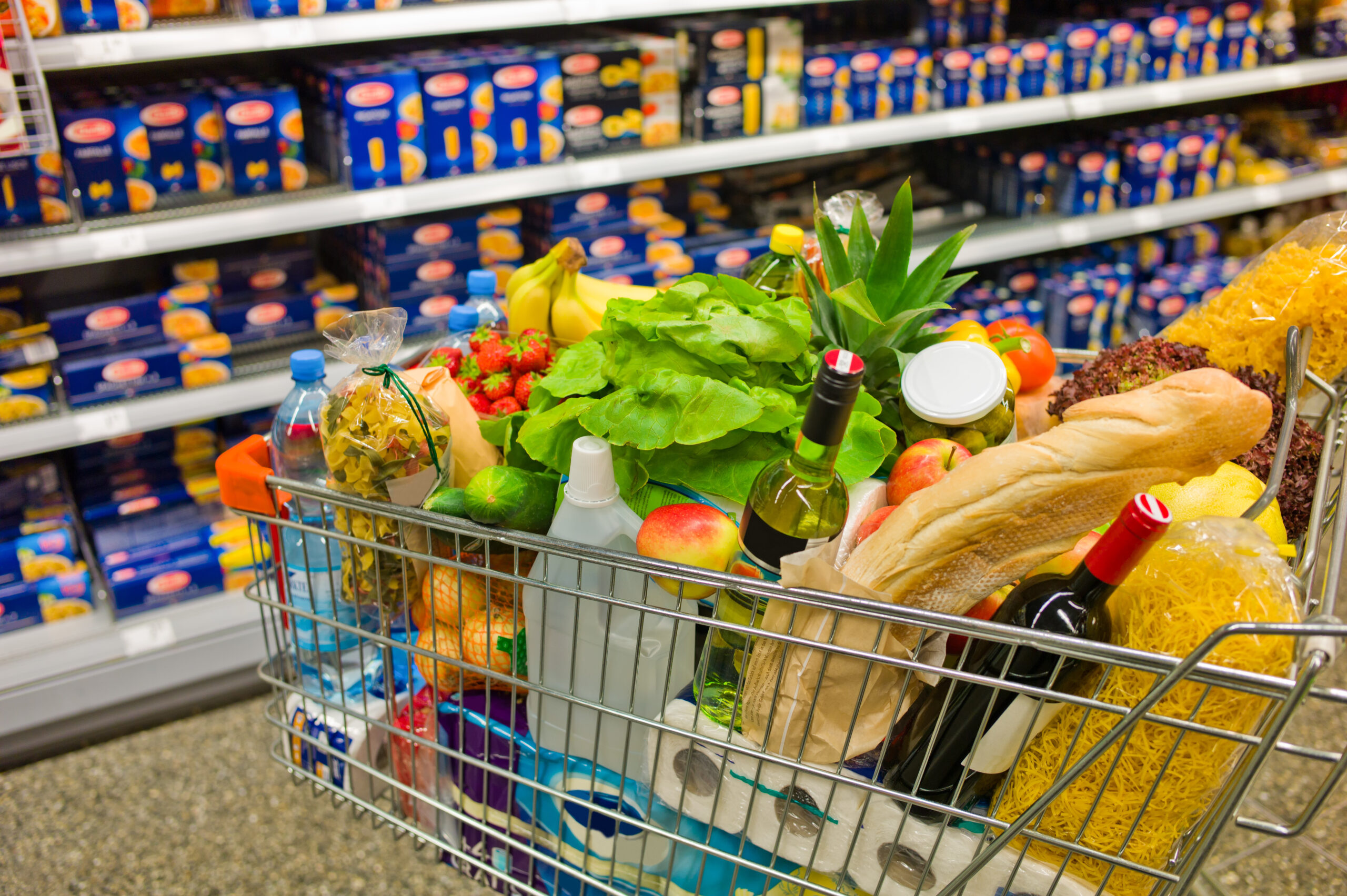
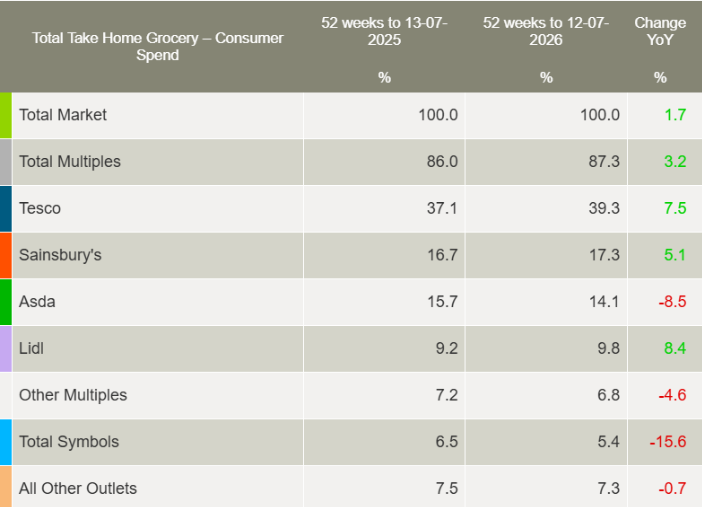
Take-home grocery sales in Northern Ireland increased by 1.7% compared to the same period last year, the latest data reveals.
The growth recorded over the past 12 months, to 12th July 2026, is the strongest growth seen since the same time last year.
The new data from Worldpanel by Numerator also reveals that shoppers spent less time in stores, down 10.3% compared to the same period last year, while volumes continued to decline dropping by 7.8% over the same period.
Grocery price inflation edged up to 11.2%, rising by 0.81 percentage points compared to the same 52-week period last year. Shoppers relied heavily on promotional offers to offset higher prices where they could, and promotions now hold 32% in value spend. An additional 11 million packs were purchased on promotion in the latest 52 weeks compared to a year ago.
Emer Healy, Business Development Director at Worldpanel by Numerator said the outlook remains precarious for Northern Irish shoppers with signs of further pressures in the months ahead.
“While overall sales are up, that’s masking real pressure underneath, with trips and volumes both down and promotions doing more of the work than ever,” said Emer.
Meanwhile, branded ranges continue to hold majority value share (56.7%) in Northern Irish shopping baskets, contributing an additional £125 million in value sales compared to last year. Premium own label ranges grew in value by 10.2%, adding an additional £16 million in value sales.
Over the 12 weeks to 12th July, categories associated with warmer weather performed strongly, with sales up across savoury snacks (+11.5%), alcohol (+10.2%), soft drinks (+3.1%), and frozen ice cream and sorbet (+1.2%). Shoppers almost spent an additional £1 million on deodorant and suncare as they navigated the heatwave.
Looking at the retailers, Tesco leads in value share at 39.3%. As the number one take-home grocer in Northern Ireland, it grew ahead of the market with 7.5% value growth. New shoppers and larger baskets combined to contribute an additional £121.1 million.
Sainsbury’s held its market share at 17.3% and grew in value by 5.1%. The retailer continues to grow by recruiting new shoppers, who contributed an additional £42 million to performance.
Elsewhere, Asda sits at 14.1% value share, growing behind the market by 8.5%, while Lidl holds 9.7% value share, with value growth up 8.4%. Existing shoppers picked up more items per trip, contributing an uplift of just over £31.4 million to Lidl’s performance.