
What lies ahead for NI’s high streets?
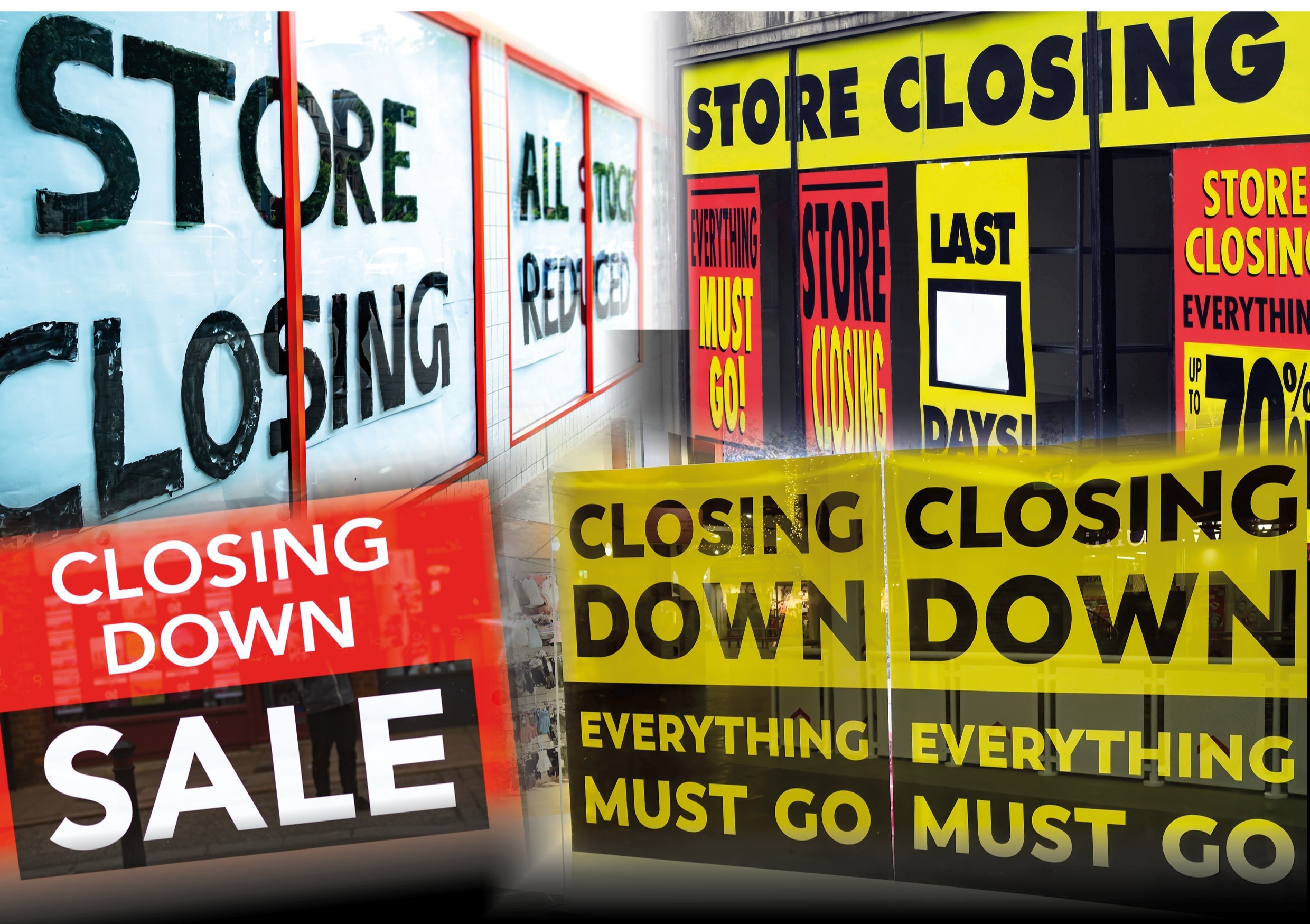
Urban centres across Northern Ireland are fighting for survival, primarily due to the business rates system here, as well as cost of business rises including rising minimum wage and employer National Insurance contributions.
Business owners across the region are working hard to stay open while they battle against these costs, trying to keep prices down, taking care of their staff and is some cases have pivoted their business in some manner to keep drawing consumers in.
Back in October 2024, Chancellor of the Exchequer Rachel Reeves put forward the first Labour Budget in 14 years, announcing a raft of measures which impacted the retail sector and SMEs generally. Since then, these businesses have had to address these financial implications and assess the viability of their businesses.
Having come through the pandemic, praised for being key workers and being on the frontline of an unprecedented lockdown period, retailers have been bombarded with significant challenges from huge rises in energy bills, the cost-of-living crisis and continued rising business costs, leaving the last few years a hardened battleground for SMEs.
On top of this, legislation working through government will see new challenges within the tobacco and vaping sector, while the single-use vape ban has already made its mark, and illicit tobacco remains a thorn in the side of retailers here.
Post Offices across Northern Ireland are also calling out for an increase in their services, stating they have faced a decade of decline, and are asking MLAs for real help and tangible support to battle the challenges they are also facing.
NI President of the Fed, Julie Brown told NR that they had met with Jim Shannon MP to stress the difficulties independent retailers here are facing, and warned that if higher tazes and energy costs weren’t addressed, they would likely lead to shorter shop opening hours and cutting staff hours.
“These have been very trying and testing times, that is what we are all facing generally,” said Julie.
“So far, we have managed to negotiate our way through without many changes, but we are constantly looking for new suppliers, new lines to bring in and ways to keep our costs under control.”
Meanwhile, Stormont is considering whether to bring forward an Employment Rights Bill that proposes to reform 17 separate areas of employment law in one move. As Roger Pollen, Head of the FSB NI told NR, were it to proceed, the Bill could cause extraordinary turmoil within NI’s vital SME community.
“The Department brought forward a massive suite of proposals nearly two years ago, called the ‘Good Jobs Bill’, yet their consultation process has meant that few employers are aware of them in outline, let alone in detail,” said Roger.
“We now await the revised Bill which, once published, will let business owners start to get to grips with what it might mean for them as employers. This matters; not least as the recent actions of Westminster have repeatedly driven up the cost of employing people, with a worrying contraction in graduate jobs offers perhaps being the harbinger of worse things to come.”