

Impact of disposable vapes ban one year on revealed
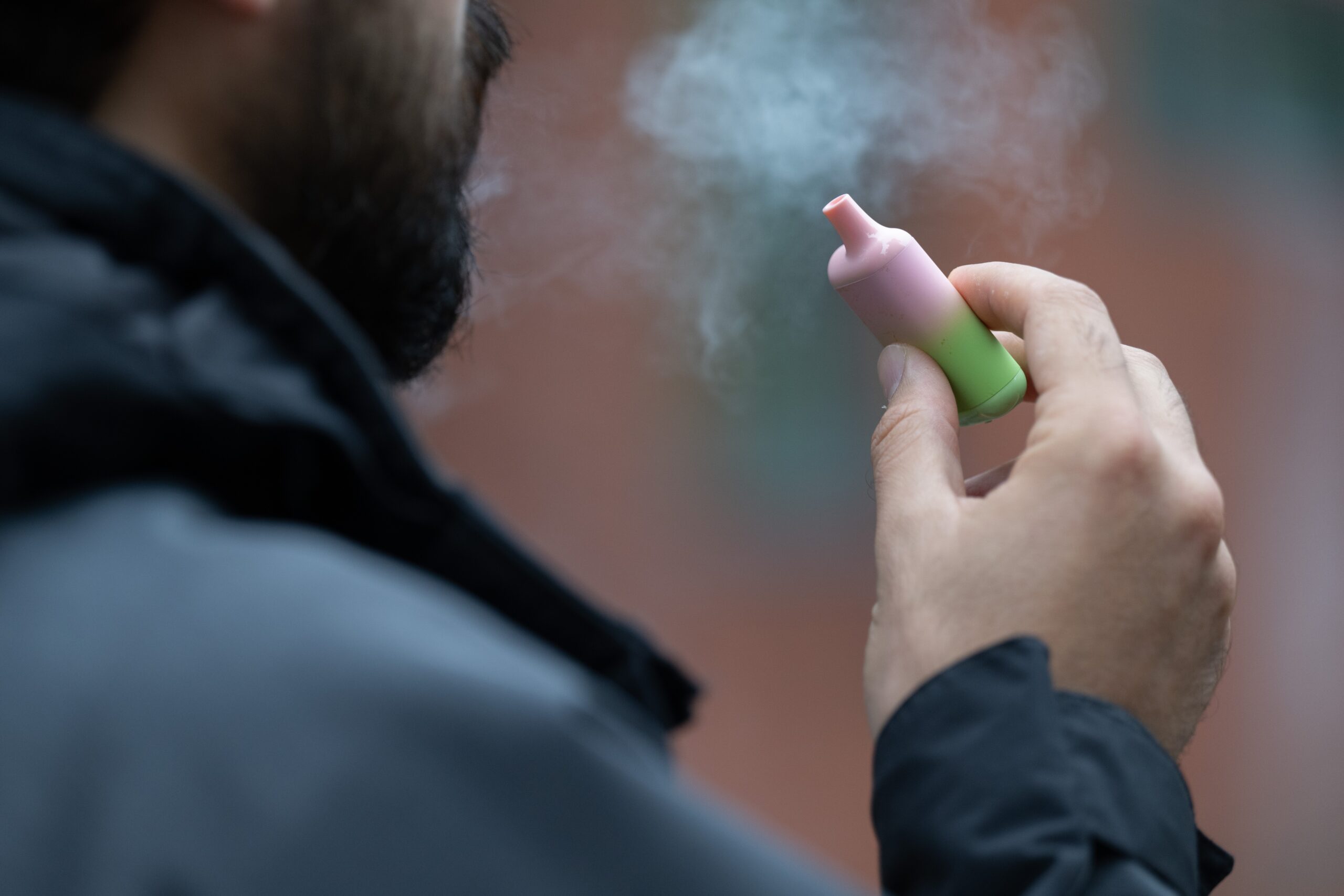
A year on from the introduction of the disposable vapes ban, new data suggests it may have contributed to an increase in smoking rates across the UK.
Meanwhile, further data has suggested the ban has not worked as intended and has instead pushed some vapers towards illicit products or a return to smoking.
A survey of 6000 UK adults, conducted by Opinium for ELFBAR found that one in six of those who previously used single-use vapes have relapsed to smoking or started smoking more, with the survey identifying a gradual increase in smoking prevalence; 16% of respondents say they now regularly smoke, compared with 15% in December 2025 and 14% in December 2024.
However, the survey also found that seven in 10 (72%) of daily vapers had switched to reusable vapes, with 79% buying refills each time, while 77% said reusable products helped them cut back or quit smoking.
Elsewhere, a separate survey from Haypp, found that 35% of respondents said they had purchased a disposable vape since the ban was introduced, indicating an active black market for the product.
The main sources for the purchase of illicit disposable vapes are corner shops/convenience stores (51%); car boot sales/market stalls (35%); independent vape shops (28%) and friends or family members (28%).
Additionally, the survey found that the ban has resulted in some reduced demand for vapes, with 61% of respondents saying they have reduced how much they vape and 8% said they had quite vaping altogether.
The data has highlighted a shift in consumer behaviour, with the survey showing that some vapers have replaced disposable vapes with traditional cigarettes (41%); nicotine pouches/snus (44%); refillable vapes (17%) and chewing tobacco (12%).
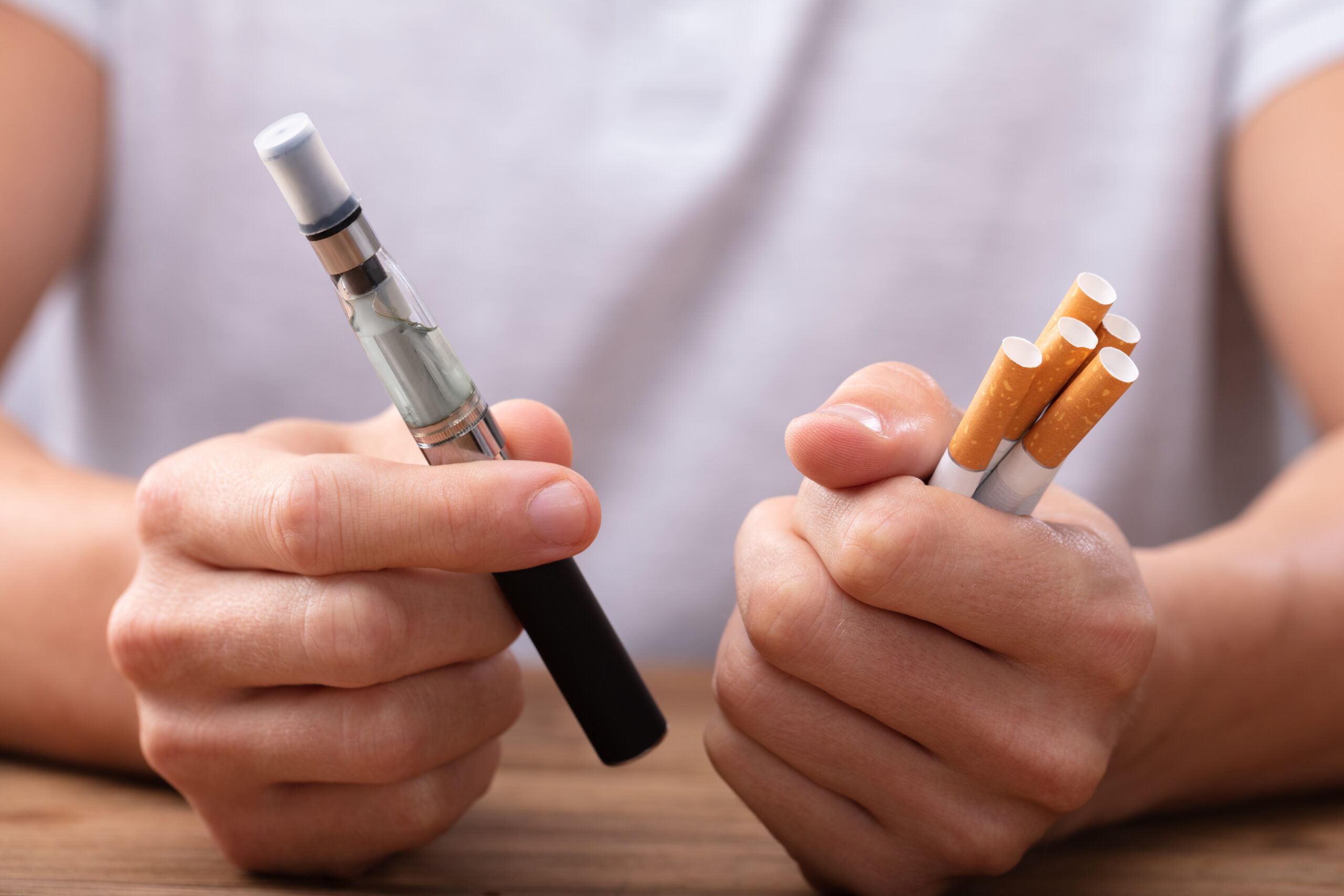
“By introducing a blanket ban, the government has inadvertently fuelled the black market and, most concerningly, pushed 41% of those who have reduced their vaping to cigarettes,” said Dr Marina Murphy, Senior Director of Scientific Affairs at Haypp.
“While it is positive to see 44% moving to tobacco-free alternatives such as nicotine pouches, we must acknowledge that the negative outcomes from the ban far outweigh the positive. As the government begins to implement the Tobacco and Vapes Act, the lesson from the disposable vapes ban is that blanket bans do not work.”
Meanwhile, the survey conducted by ELFBAR is part of a series of ongoing studies examining smoker behaviour and publica attitudes to vaping-related issues. Opinium has surveyed 46,000 adults since 2023 (across eight separate waves), making it one of the most comprehensive datasets on vaping behaviours and trends in the UK.
The large majority of vapers (78%) know that used vape refill pods and devices should not be disposed of in general waste bins. In practice, two thirds (65%) of current daily vapers say they either recycle their pods and devices, have attempted to, or retain them for future recycling. However, 26% still report disposing of either the pod or device in waste bins.
The survey also shows consumer engagement with illicit products, with one in four current vapers (25%) saying they have knowingly bought them (30% in December 2024). Of these, 39% had done so within the past three months. The findings align with reports from Trading Standards that the illegal vape market has fallen since the single-use ban, though it remains a significant challenge.
Purchases of illicit products made in the last month were most commonly from retail shops (16%), followed by market or street sellers (11%), online (7%) and friends (4%).
Eve Peters, director of government affairs for ELFBAR in the UK said it was positive to find the transition to reusable vapes has embedded one year on, but added that disruption to established product categories has had unintended consequences, including relapse for some smokers.
“This underlines the need for clear, consistent public messaging on the effectiveness of vaping as a smoking cessation took, alongside proportionate regulation that supports smokers to make the switch,” she said.
“It is incumbent on all, including those in government, to ensure that the messaging around vaping remains consistent and highlights the evidence that it is much safer than smoking.”